Remote healthcare service is often initiated by choosing video calling software. However, technology is only a contact channel. A safe service cannot be established without defining which patient can be evaluated remotely, how identity and suitability will be checked, where the clinical record is processed, what will happen in case of emergency, and who has the responsibility for follow-up.
The Regulation on the Provision of Remote Health Services was published in the Official Gazette dated 10 February 2022 and numbered 31746. Institutions should evaluate the service model with their legal and clinical governance teams within the framework of current legislation, operating permit and Ministry criteria.
Clearly limit the scope of service
Not every branch and clinical situation is suitable for remote service. The institution determines which meetings can be held remotely. The patient must determine in writing which finding requires face-to-face evaluation, emergency application or other branch consultation.
Eligibility criteria should be used at the appointment stage; however, the final clinical decision should remain with the healthcare professional. The limits of remote consultation should be clearly explained to the patient.
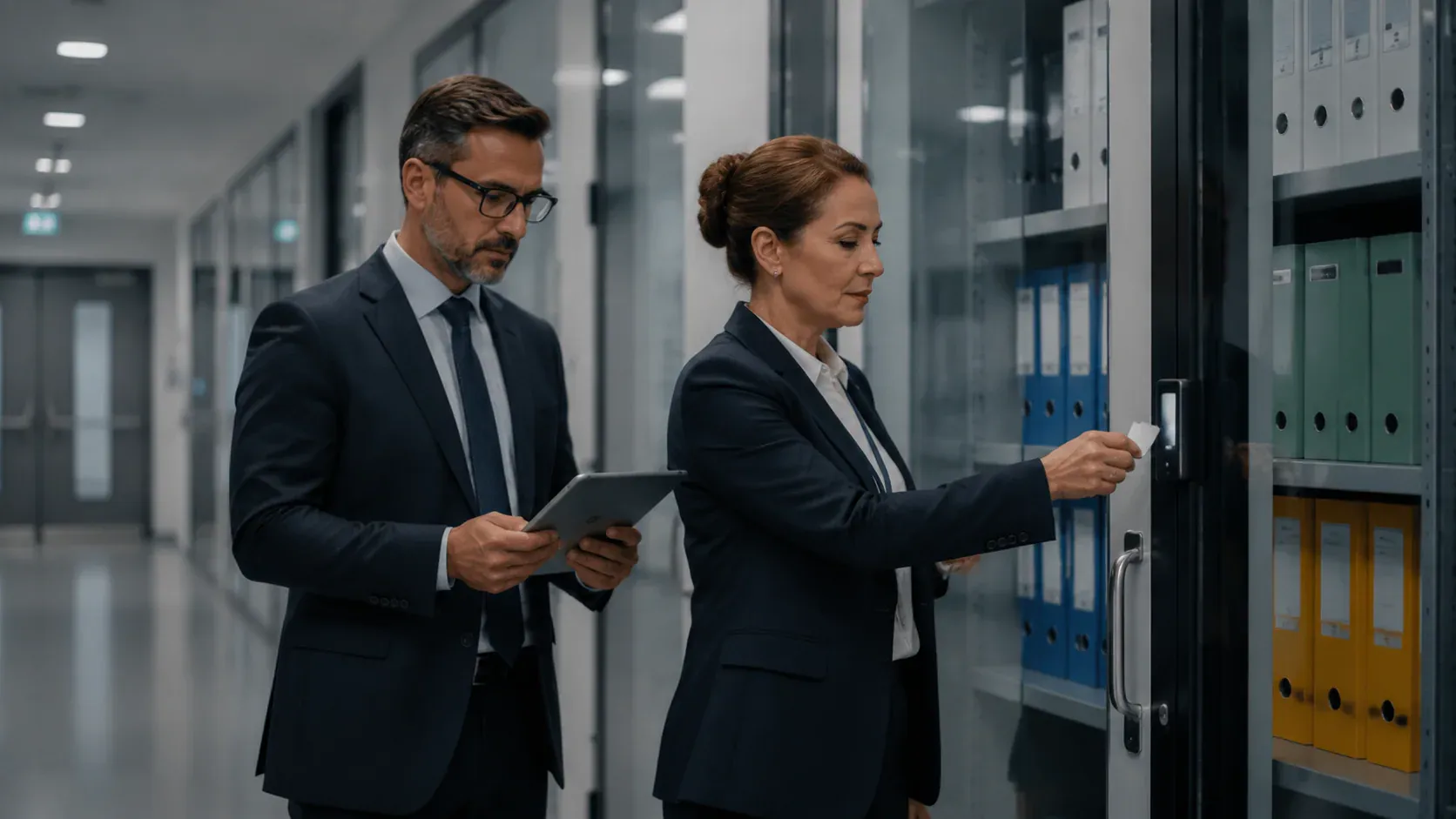
Verify identity, location and communication security
Before the interview, the patient's identity, contact information and, if necessary, location should be verified. If an emergency occurs, it should be known who to call and where to make physical contact.
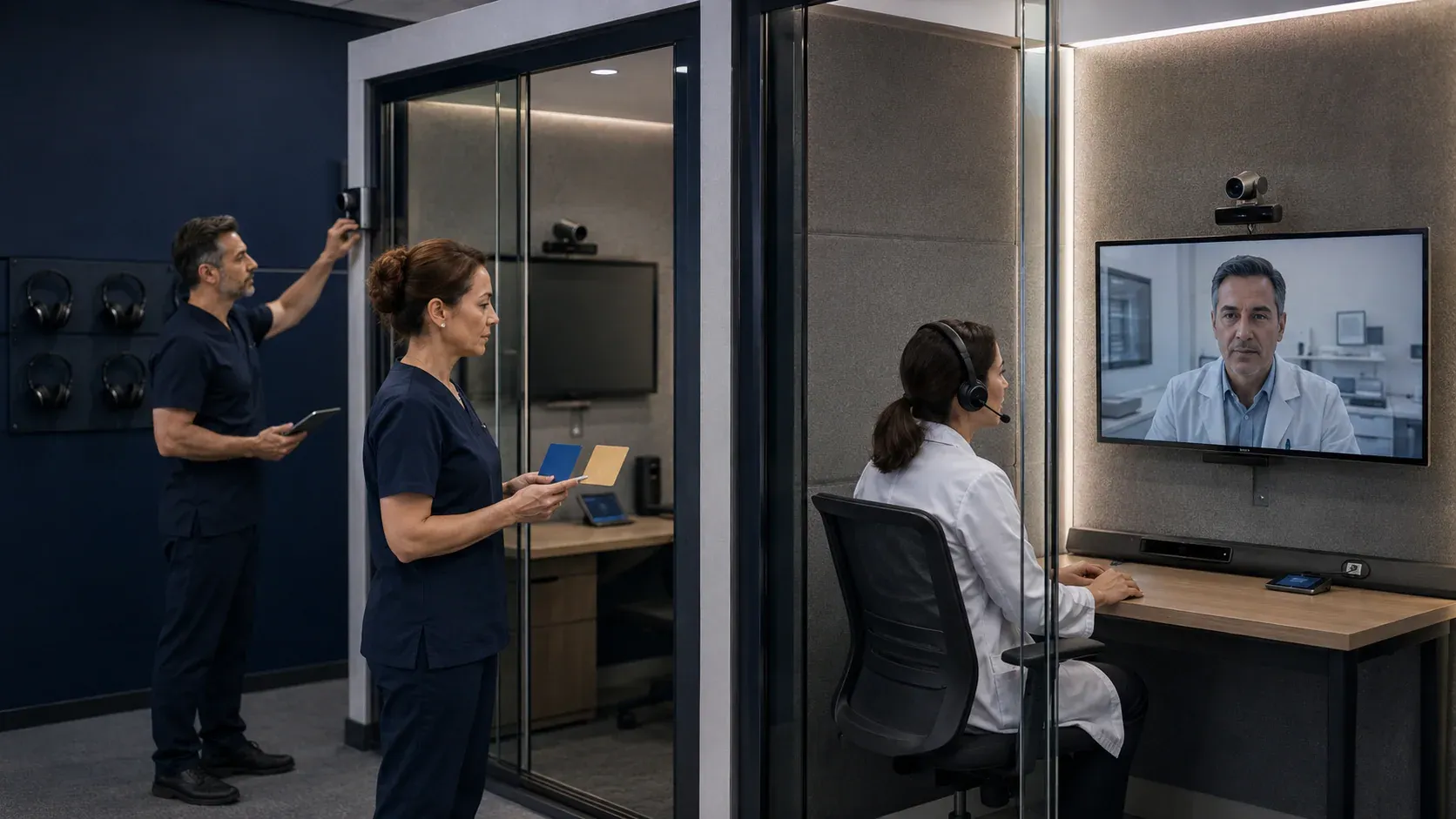
It should be asked whether the patient is in a private environment. The participation of third parties and the use of interpreters should be recorded. Healthcare professionals should also provide services from a suitable institutional environment where unauthorized persons cannot hear.
Link the remote meeting to the clinical recording system
Interview notes should not remain in personal messaging or a separate file. Identity verification, history, evaluation, recommendation, limitations, face-to-face admission decision, and follow-up plan should be recorded in the institutional health record.
Call interruption, lack of image/audio, or inability to perform the necessary examination are part of the clinical decision. In this case, it should be defined how to terminate the service and arrange a new appointment.
Design the escalation path before discussing it
During remote assessment, immediate symptom, worsening, or loss of communication may occur. The employee must know in which situation to seek emergency assistance, who to contact within the organization, and how to record the incident.
Technical support and clinical support should be separated. The team that solves the connection problem should not provide medical referrals. The clinical team should also not switch to the personal channel for a system issue.
Don't sacrifice data protection for ease of use
During the remote health process, images, sounds, reports, messages and health data can be processed. What data is collected, whether it is recorded or not, access authorization, storage and sharing rules should be clear.
The platform, integration and external service providers used should be evaluated in terms of sensitive personal data. Current guidelines of the Personal Data Protection Authority and the institution's data protection/legal assessment should be taken as basis.
Design appointment and capacity model separately
Randomly adding a remote appointment to a face-to-face schedule can increase physician burden and delay. Depending on the type of interview, duration, document review time, technical preparation and follow-up work should be calculated.
The patient must be able to complete the document upload, connection test and information steps before the appointment. Resolving incomplete preparation during the interview consumes capacity.
Don't measure quality by link success alone
Technical affiliation rate is useful, but does not indicate clinical quality. Eligibility denials, in-person referrals, incomplete registrations, unscheduled re-interviews, follow-up completions, complaints, technical outages, and security incidents should be tracked together.
The process should be reviewed regularly with patient and employee feedback. While remote service increases access, it should also be evaluated whether it creates new inequalities or communication problems.
Practical takeaway
Remote healthcare is a real clinical service carried out through a digital channel. It requires the same level of accountability, records, quality and security management.
Technology should be selected only after the scope, clinical protocol, identity-verification process, data model, escalation pathway, and follow-up model have been defined. Current Ministry of Health regulations and KVKK guidance should be checked again at publication and implementation.
Resources
- T.C. Sağlık Bakanlığı, Uzaktan Sağlık Hizmetlerinin Sunumu Hakkında Yönetmelik duyurusu: https://shgmturizmdb.saglik.gov.tr/TR-87377/uzaktan-saglik-hizmetlerinin-sunumu-hakkinda-yonetmelik.html
- KVKK, Özel Nitelikli Kişisel Verilerin İşlenmesine İlişkin Rehber: https://www.kvkk.gov.tr/Icerik/8184/Ozel-Nitelikli-Kisisel-Verilerin-Islenmesine-Iliskin-Rehber