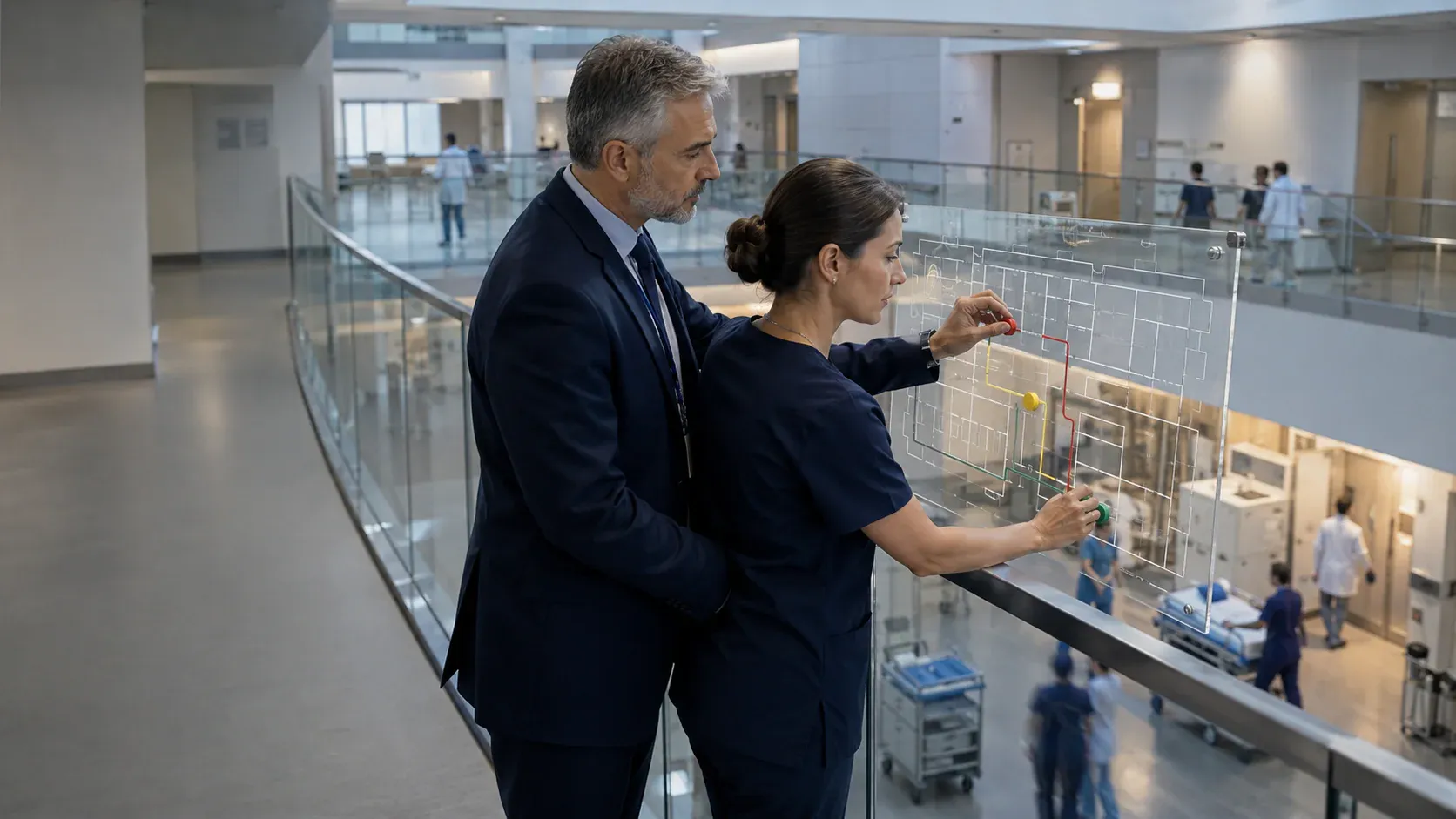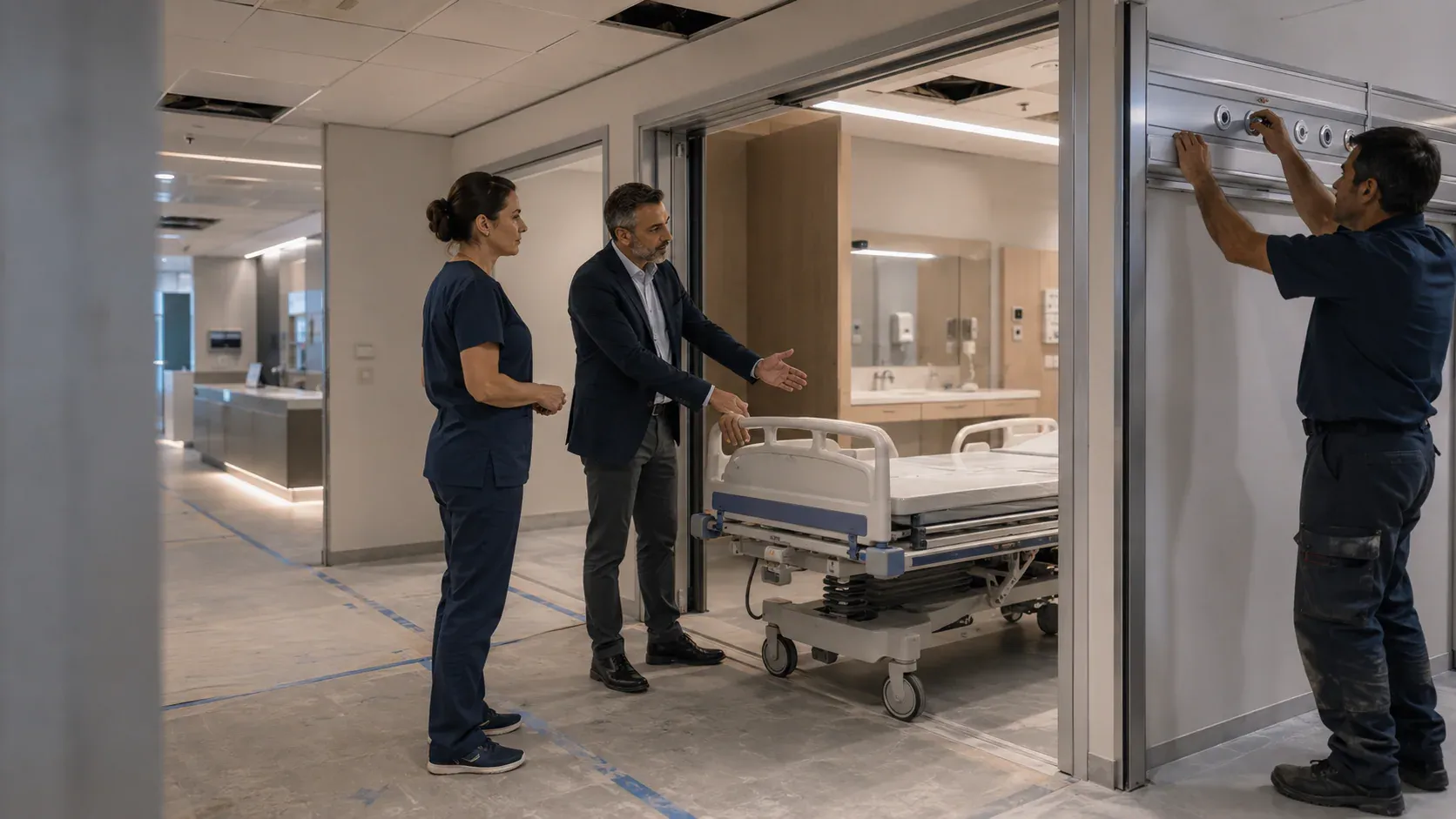
Health sector. It is in constant transformation due to its complex operating structure, changing patient expectations, processes integrated with technology and intense regulatory agenda. Hospitals and clinics not only provide good clinical service. It makes decisions simultaneously in multidimensional areas such as quality management, cost control, digitalization, human resources, operational efficiency and patient experience.
In this environment, professional consultancy is not for providing ready-made prescriptions to the institution from outside. It produces value by objectively viewing the current situation, setting priorities, and transforming the decision into a workable work program.
Complexity exceeds the limit of a single unit
Problems in a healthcare facility often do not fit into the organizational chart. Extended patient waiting. It may be a joint result of appointment schedule, personnel, examination capacity, room usage and information system. Financial deviation. It is not just cost, it can be related to capacity, contract, supply and clinical process.
Therefore, a strong counseling approach examines the system as a whole before intervening in a single symptom. Manager interviews, field observation, process map, data and employee experience come together in the same diagnosis.
External view complements internal knowledge
Institutional employees are the people who know the details and exceptions of daily work best. However, working in the same system for a long time may cause some problems to become normal. The external expert makes visible the connections between units and transforms different experiences into common management questions.
This external view does not replace corporate management. Decision and implementation ownership remains with the institution. The consultant provides method, coordination and follow-up discipline.
Consulting creates value in four stages
1. Current situation and needs analysis
The problem is not with the assumptions. It is defined by data, observations and stakeholder opinions. Strong areas are also evaluated. The aim is not just to create a missing list.
2. Strategic management plan
Priorities, responsibilities, resource needs, risks and success criteria are clarified. Instead of trying to change everything at once, the order is created based on institutional impact.
3. Application and training
Processes are piloted under real operating conditions. Teams don't just read the new procedure; performs his/her role, gives feedback and demonstrates competence.
4. Performance monitoring and continuous improvement
The outcome is monitored with a small number of meaningful indicators. Deviations are decided at the management meeting. The working system is made sustainable within the institution.
It is important for clinics as well as large hospitals
The need for consultancy does not depend solely on the size of the institution. A growing practice or clinic; When it establishes an early structure regarding task distribution, appointment capacity, finance, human resources and patient communication, it can manage subsequent growth more safely.
Correct consulting relationship. It is established with a clear problem, accessible data, management sponsorship, internal process owners and clear success measures. The institution's acquisition of method and competence is the permanent value of the project.
You can review Stratex Medica’s working approach About Us on the page, and its disciplines Our Services under the relevant section.