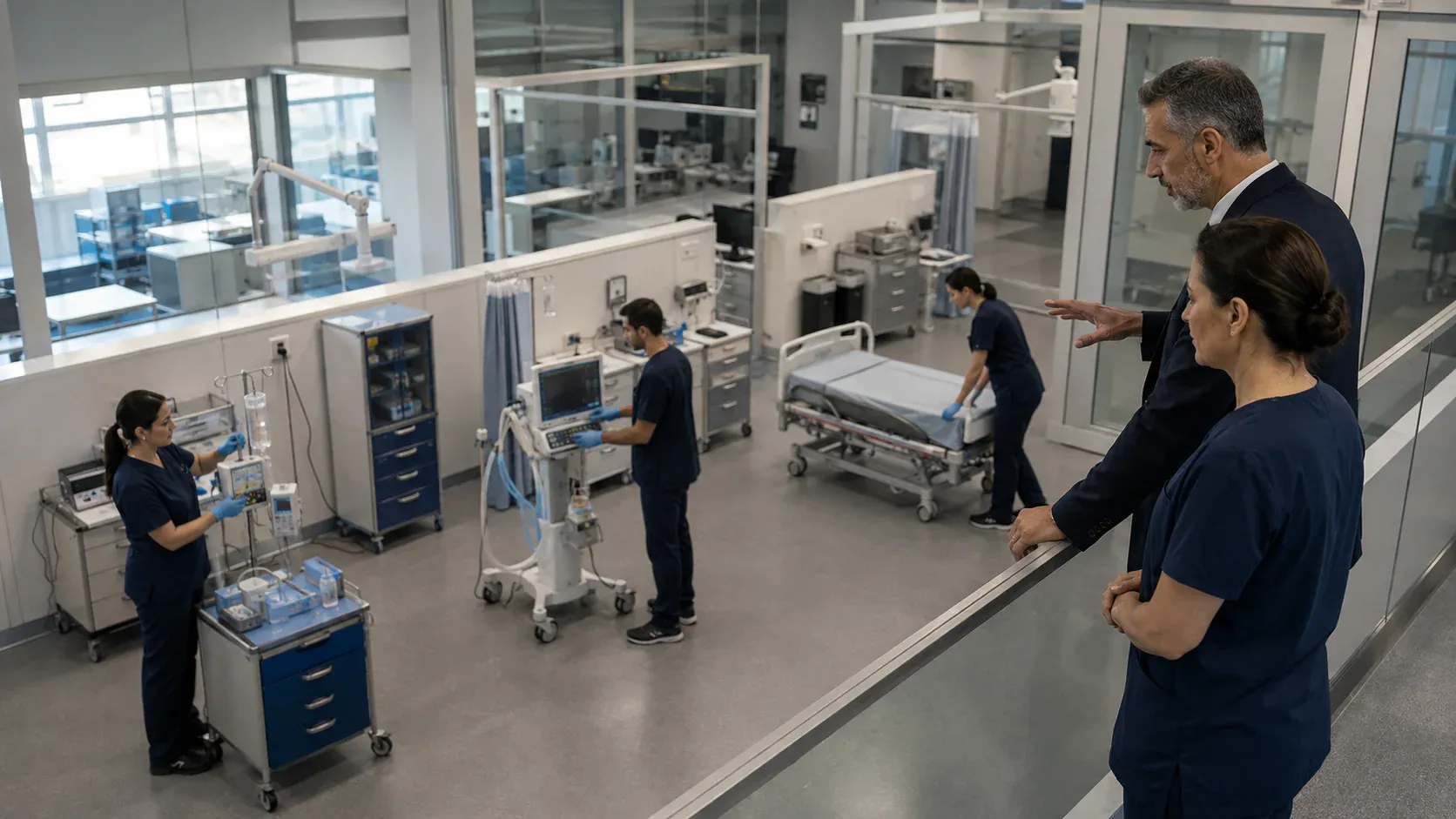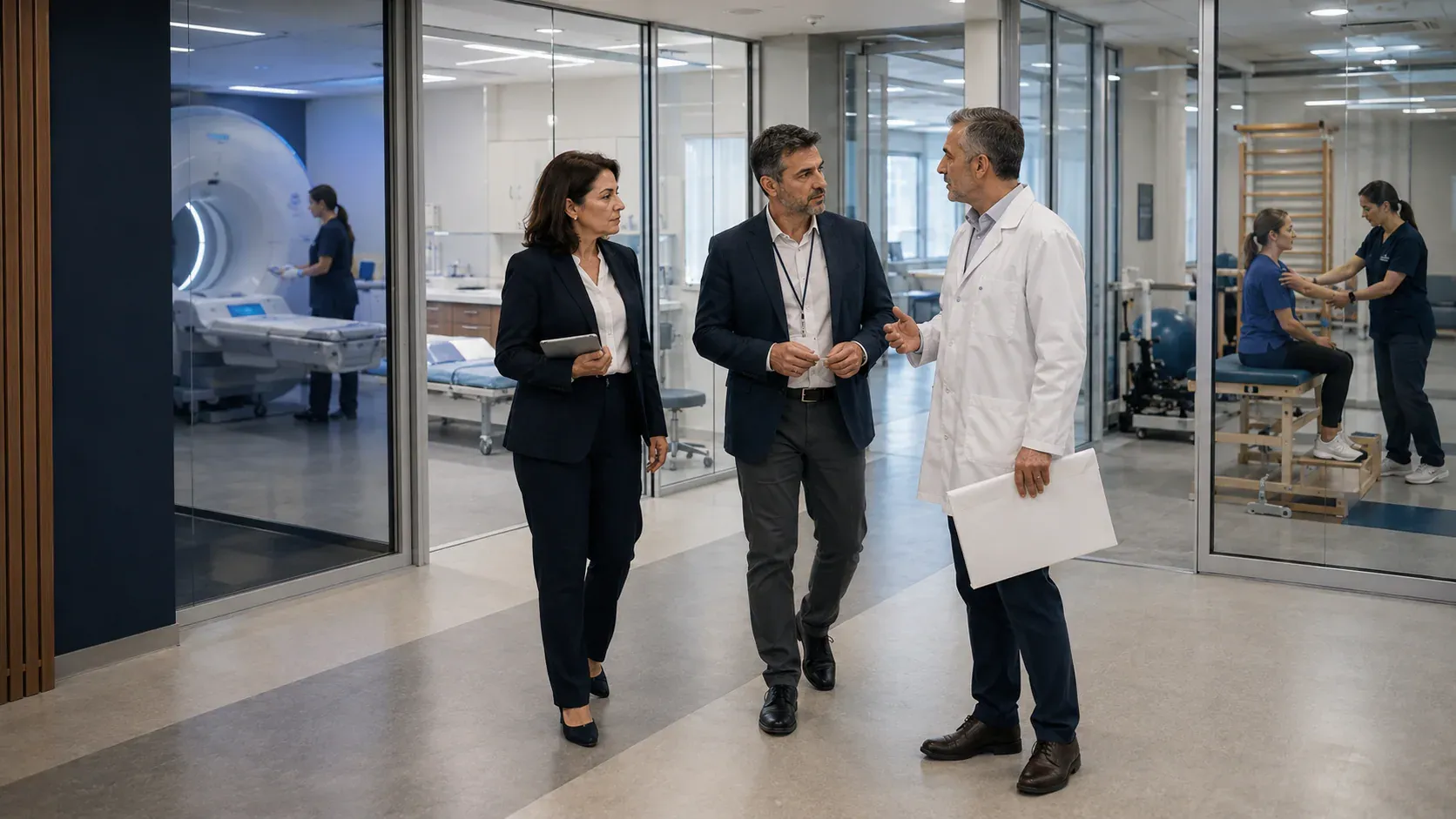
Health sector. It constantly changes with renewed information, technology, service model and patient expectations. One of the main ways to safely adapt to this change is to support employees with planned and continuous development.
Education is not only for doctors and nurses. It covers the entire team, from management staff to technical staff, from patient consultants to support services. Because healthcare is a chain and each role affects another point of safety and experience.
Start the training plan from needs analysis
It is easy to prepare the annual training list by copying the previous year's calendar, but it may not cover the real risk. Needs analysis. It should use task, process, incident notification, quality finding, patient feedback, legislative change, new technology and manager observation together.
The target audience and expected behavior for each training should be clear. Instead of “patient safety training was provided”, it should be defined which role will perform which critical step correctly.
Do not give the same training to every employee
Common corporate culture and basic security issues may concern everyone; however, the detail of learning varies by role. Newcomer, manager, night shift, subcontractor and physician groups do not have the same content and access needs.
The role-based program can separate these elements:
- Mission critical risks and decision limits
- The system, device or form used
- Communication and escalation requirements
- Refresh frequency
- How to verify competence
Match the method to the learning objective
Presentation is suitable for conveying basic information, but not every skill is learned through presentation. Simulation, case discussion, field observation, on-the-job practice, microlearning, and peer feedback serve different goals.
Skills such as emergency, device usage or critical communication require realistic practice. Manager development is strengthened with a program spread over time that includes cases, feedback and on-site practice, rather than a single session.
Measure competence, not participation
The signature list indicates that the employee was present in the hall. It does not show that you can perform the correct application. Methods such as knowledge testing, observation, simulation, case solution or business outcome should be chosen according to the goal.
Measurement can be thought of at three levels:
- Did the employee understand the required information?
- Did it translate the knowledge into correct behavior in the real task?
- Has the expected change been seen in the process and result indicators?
If the result has not changed, simply sending the employee back to training may not be enough. Workload, tool, role ambiguity, or manager behavior may be hindering implementation.
Link learning to executive responsibility
The training unit coordinates the program, but it is the responsibility of the process owner and manager to continue the behavior in daily work. If the manager does not support the new method, provide feedback, or reward the old practice, training loses its effectiveness.
Regular short reviews, on-site coaching and sharing of best practices move learning from a single activity to a work culture.
Training in preparation for accreditation
Quality and accreditation programs require real practice rather than theoretical standard knowledge. Training should be linked to the current set of standards and the institution's own processes; Practice should be observed across different shifts and competency in critical roles should be verified.
For an approach suited to your organization, Training and Sector Development Programs the service and, for sustainable implementation, From Internal Audit to Corporate Learning you may review the article.